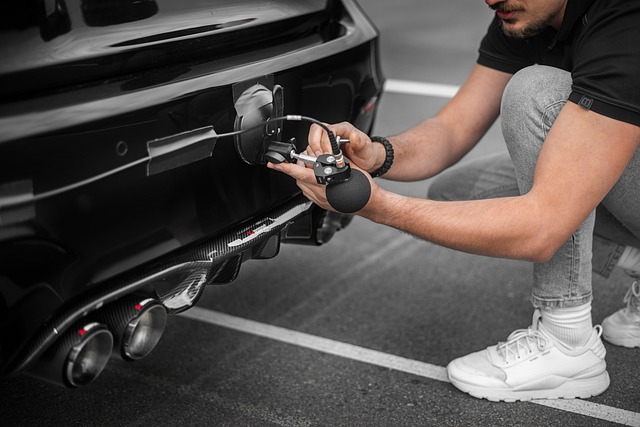
Say you are going down a crowded highway in your brand-new car in India. You trust your vehicle’s brakes, safety features, and handling on every twist and turn. Now you may ask yourself what happens behind the scenes to ensure that your car is a safe one. Behind the scenes, rigorous safety testing ensures that millions of cars on Indian roads meet the highest safety standards—even if few notice it. This is why Automotive safety compliance testing is so important.
Why Automotive Safety Compliance Testing Matters in India
The roads of India are some of the busiest and most challenging roads in the world. AS the electric-drive, automated-assistance, and regulatory environments become more differentiated, driver safety compliance testing has never been more important in the automotive industry. It is not only a matter of passing some kind of test; it is about saving human lives, building trust, and matching the global standards that are required.
The Evolution of Automotive Safety in India
Car safety in India was lagging behind the worldwide standards for decades. However, all that has changed greatly in recent years. It all changed when the Bharat New Car Assessment Program (Bharat NCAP) was introduced. Now the cars are tested and evaluated on their safety right in India itself, which makes the exercise more speedy, transparent, and realistic to Indian conditions.
On lines similar to the Global NCAP, Bharat NCAP has a scale of number of stars (between 1 and 5), to rate vehicles on the basis of adult and child protection, and the safety elements fitted in a car. This step has compelled automotive manufacturers to take automotive safety compliance tests at the initial stages of design.
What Does Automotive Safety Compliance Testing Involve?
The automotive industry is quite an arduous process of finding out the automotive compliance with safety regulations through testing. It involves:
- Crash Testing: Crash tests are performed on the front, side, and pole (real-life accidents) impacts.
- Braking System Testing: Ensures the efficiency of the brakes under various conditions.
- Seat Belt and Airbag Testing: Ensures restraint systems deploy and protect as intended.
- Electronic Stability Control (ESC) and ADAS Testing: Tested advanced safety systems such as lane departure warning and automatic emergency braking.
- Component Testing: Examines critical parts such as fuel tanks, batteries (for EVs), and child seat anchorages.
All these tests are performed in accredited labs using advanced equipment, with results compared to standards set by the Bureau of Indian Standards (BIS), Automotive Industry Standards (AIS), and international bodies like ISO and UNECE.
Recent Changes: New Standards and Bharat NCAP 2.0
In May 2025, BIS declared corrections to four important automobile safety benchmarks, such as braking systems and safety belt anchorages. Manufacturers have a year to respond to these revised demands up to November 4, 2025. Bharat NCAP 2.0 is coming as well, with promises of even more stringent tests, such as the obligatory ADAS testing and the introduction of new requirements to vehicles that transport more than eight people.
How Are Cars Tested in India?
The Bharat NCAP candidates are made to undergo the test either by voluntary manufacturer submission, heavy sales figures, or government suggestions. The test processes use the Automotive Industry Standard 197, and they consist of:
- Frontal Impact Test: A head-on collision scenario at a design speed of 64 km/h.
- Side Impact Test: Testing with 50 km/h protection during the T-bone crash.
- Side Pole Impact Test: At 29 km/h, evaluating side crash protection.
- Onboard Safety Assist Technologies: Evaluating features like ESC, seatbelt reminders, and pedestrian protection.
After testing, cars receive separate star ratings for adult and child occupant protection, which are published on the Bharat NCAP website for public access.
The Role of Homologation Testing
Homologation is the procedure of ensuring that a vehicle/part satisfies all the regulatory requirements to be sold and operated in a specific market. This is done in India, which entails thorough automotive compliance testing of safety, and is done in established agencies such as ARAI, ICAT, and CIRT. Such tests must only be passed before a vehicle can be legally sold.
Why Is Automotive Safety Compliance Testing Essential?
- Prevents death: The industry strictly carries out thorough testing to ascertain that automobiles survive crashes and safeguard their occupants.
- Brings Trust in the Buyer: Star rating and certification assists the buyers in making informed decisions.
- Enhances market access: It is required to sell cars in India, as well as to export.
- Innovates: It drives the manufacturers to embrace incremental safety technologies.
- Minimizes liability: Compliance with the standards will guard manufacturers against legal and financial liabilities.
The Testing Process: Step by Step
- Design and Simulation: The vehicle is designed with safety in mind, including computer simulations to forecast the car in a crash.
- Prototype Testing: The early prototypes are taken through physical crash and component tests in controlled conditions.
- Compliance Testing: Last cycle models are subjected to full-scale car safety compliance mandate at approved labs.
- Certification: Results of tests are checked by regulatory authorities, and those that succeed are homologated with a certificate and a rating of stars.
- Market Surveillance: continual compliance is through random and post-market testing.
Automotive Safety Compliance Testing Equipment
Modern labs use advanced equipment, including:
- Crash test dummies with sensors for injury measurement.
- High-speed cameras to capture crash dynamics.
- Brake dynamometers for precise braking tests.
- Environmental chambers to test performance in extreme conditions.
- Electronic data loggers for real-time monitoring.
Applications Beyond Cars
Automotive safety compliance testing isn’t just for passenger cars. It’s also vital for:
- Commercially used: Trucks, buses, and vans.
- Two and three-wheelers: motorcycles and auto-rickshaws.
- Electric passenger cars: Battery protection and electric system test.
- Aftermarket parts: Supplier parts should be safe.
The Global Perspective
The fact that India is adopting international standards to match those of other countries of the world, such as ISO 26262 functional safety and UNECE regulations, implies that Indian vehicles can compete globally. This is essential because Indian auto manufacturers are growing their exports and collaborating with global brands.
The Future: ADAS and Connected Cars
Bharat NCAP 2.0 will require most vehicles to have advanced driver-assistance systems (ADAS) such as automatic emergency braking, lane-keeping assist, and drowsiness detection. The compliances regarding automotive safety testing will also include stringent tests of these electronic systems, so that they can be as reliable when used on Indian roads.
How Sunren Supports Automotive Safety Compliance Testing
Sunren, as a NABL-accredited testing lab, helps manufacturers by:
- Conducting all required automotive safety compliance testing for homologation and export.
- Providing technical guidance on new BIS and AIS standards.
- Offering fast, accurate, and traceable test results.
- Supporting the integration and testing of ADAS and EV safety features.
- Helping manufacturers prepare for Bharat NCAP and global assessments.
Frequently Asked Questions: Automotive Safety Compliance Testing
What is the ISO standard for automotive safety?
ISO 26262 is the key international standard for automotive functional safety.
What is homologation testing in automotive?
It’s the process of certifying that a vehicle or component meets all regulatory and safety requirements for sale.
What is automotive testing?
It denotes a series of tests, such as crash, performance, and emissions tests, conducted to ascertain that he vehicles are of sound quality and safe.
What is system testing in automotive?
It is the assessment of it as a whole-car system (such as brakes, airbags, or ADS) to make sure that they work properly and safely.
Conclusion
The automotive safety compliance test is not merely an engineering need in the context of the Indian automotive industry today; it is also a duty towards all the drivers, the passengers, and the pedestrians. As a result of changing standards, new technologies, and getting a global competitiveness, tough testing makes Indian vehicles safer, smarter, and prepared to hit the road even tomorrow. It is through collaborating with reputed labs such as Sunren and keeping up with the changes happening to the regulation to ensure manufacturers bring vehicles into the market that exude confidence and save lives, and save lives—mile after mile.
Leave a Reply